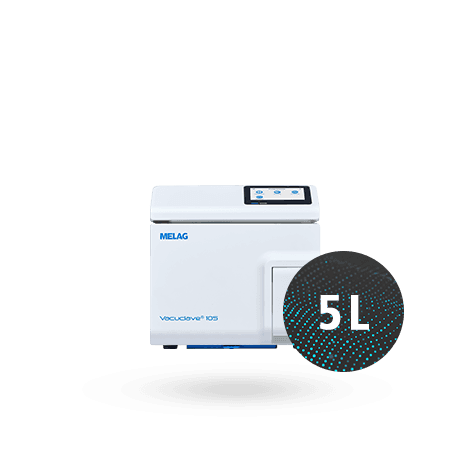
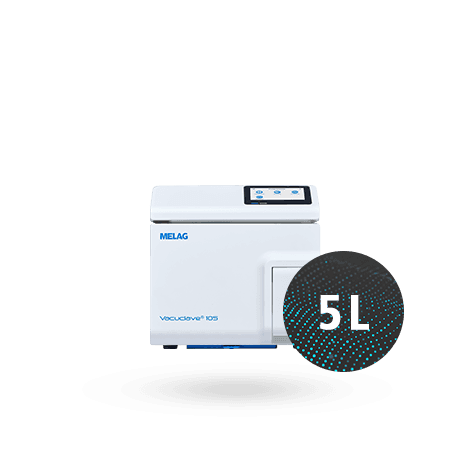
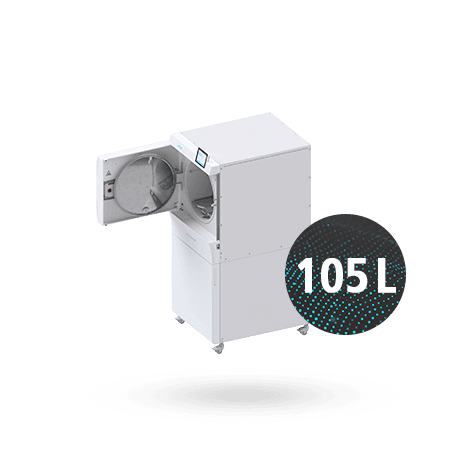
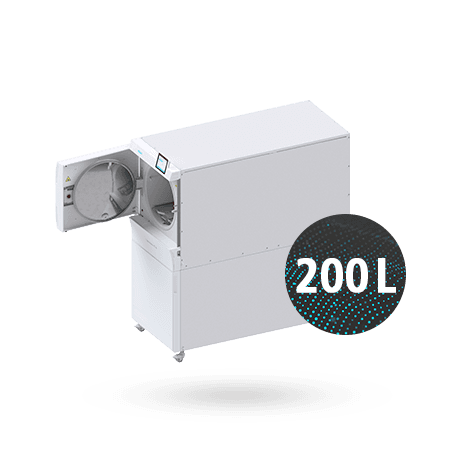
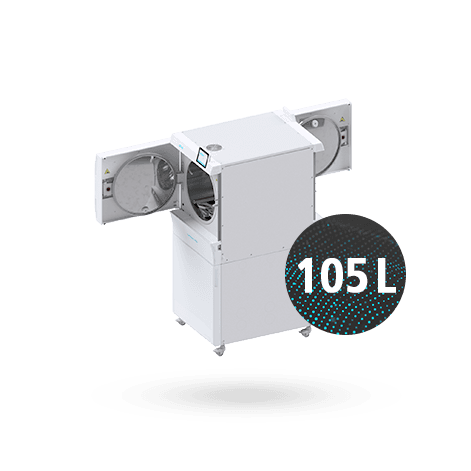
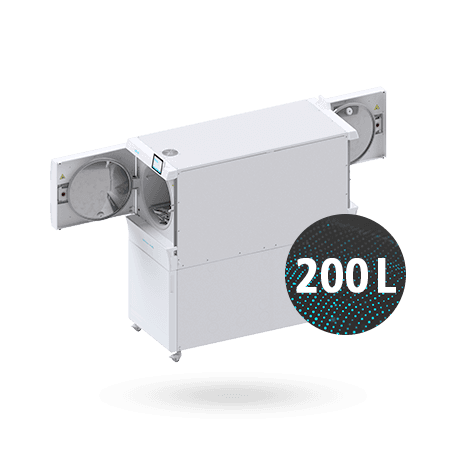
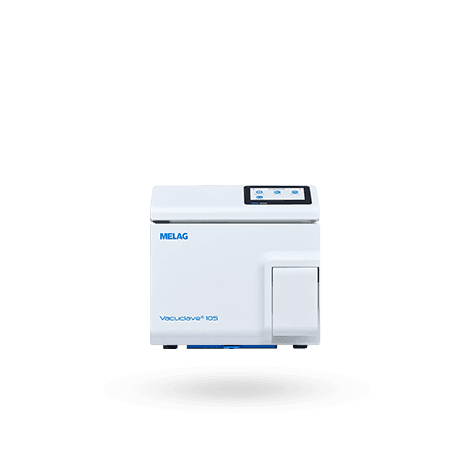
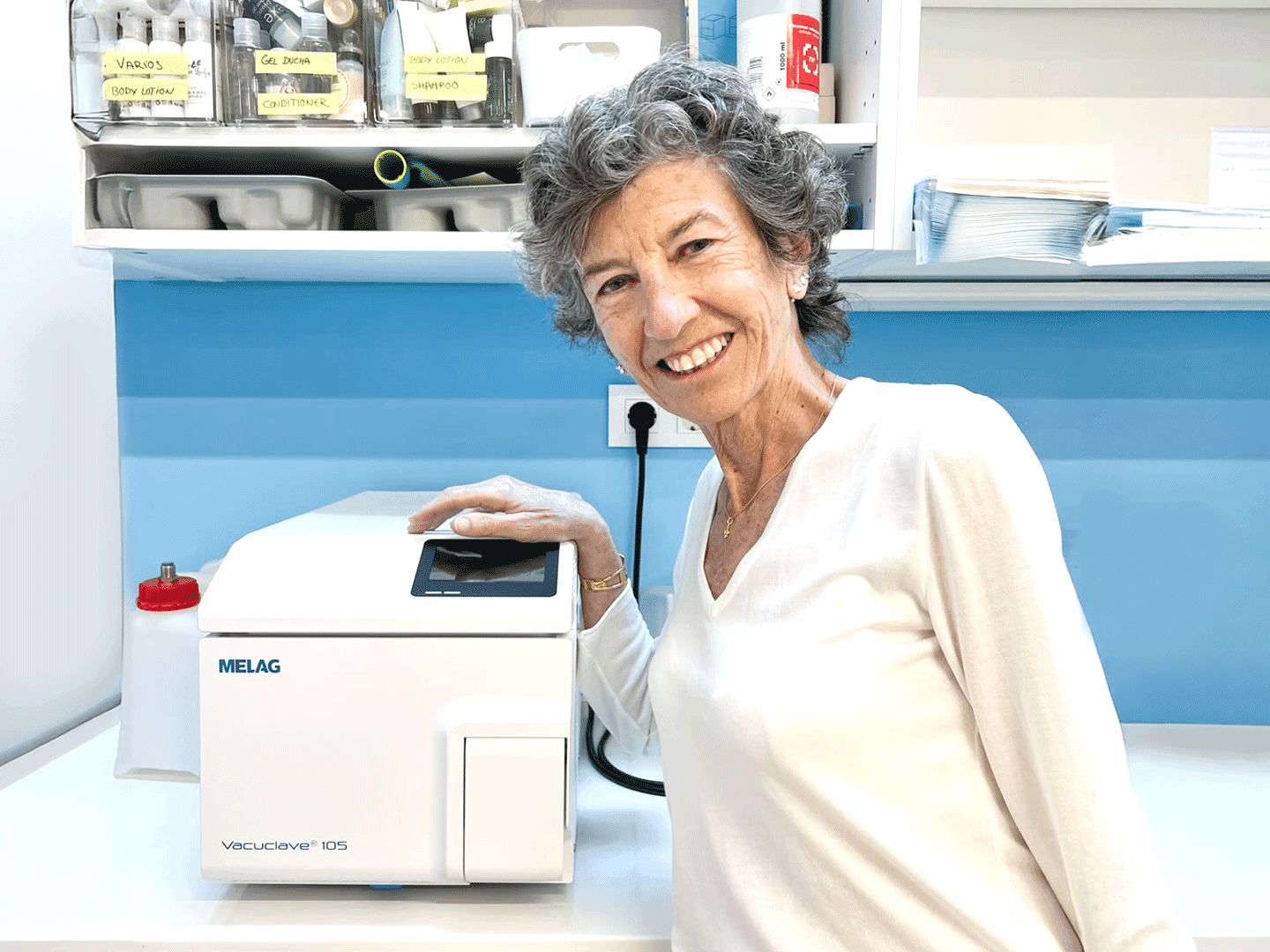
"MELAG Vacuclave 105: the compact, high-performance solution for impeccable hygiene every day."
MELAG x Fundación Elena Barraquer
"MELAG Vacuclave 105: the compact, high-performance solution for impeccable hygiene every day."
Save time and fulfil the highest standards
The challenges.
In ophthalmological practices and clinics, reprocessing must be carried out with the utmost care. It is not only decontamination that plays a role here, but also maintaining the functionality and safety of the fragile, microsurgical instruments.
In ophthalmology, the increased hygiene requirements are of particular importance, as the eye is a highly sensitive sensory organ that is extremely susceptible to infections and injuries. Careful adherence to strict hygiene measures and a precise reprocessing process for medical instruments are therefore essential.
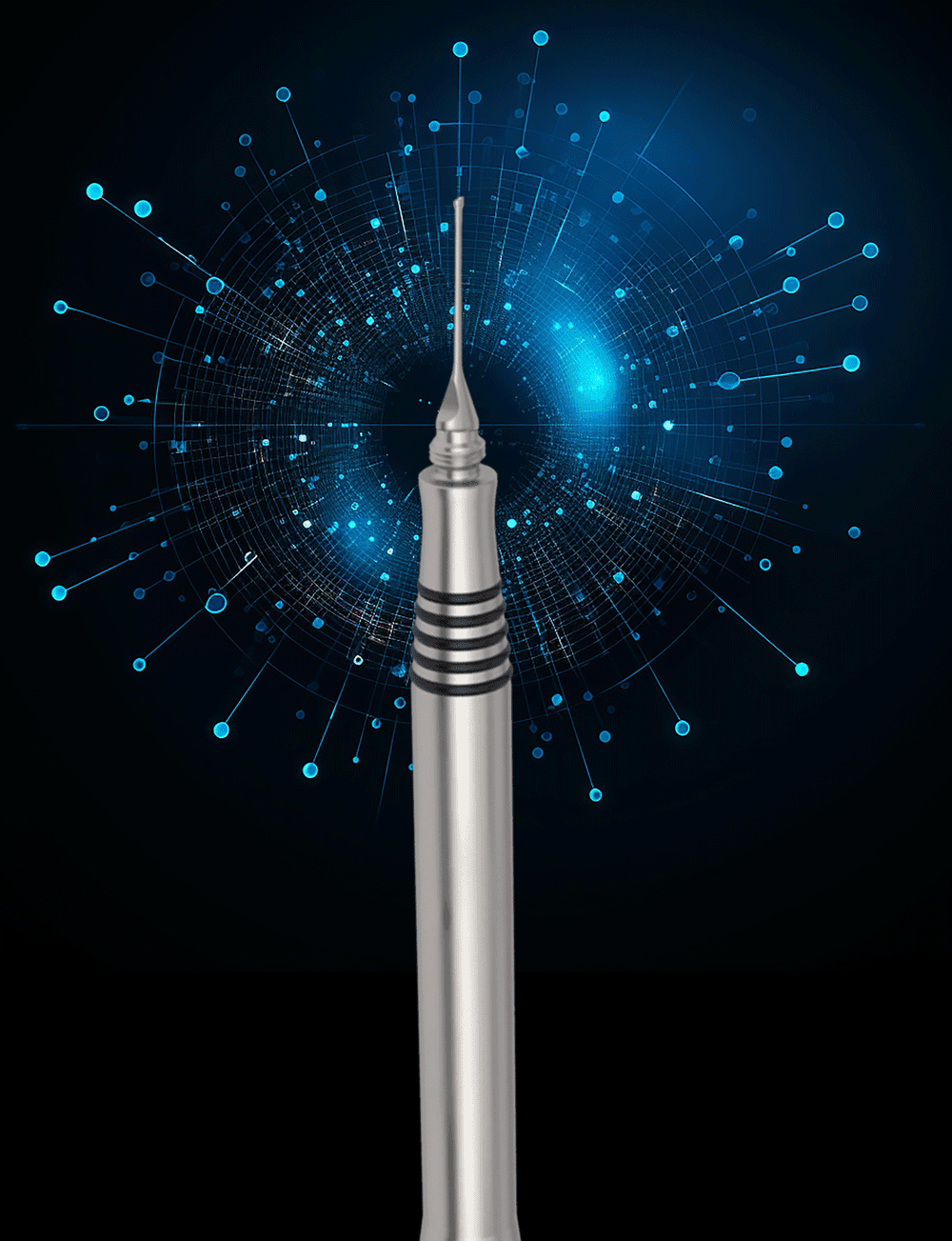
Fine, microsurgical instruments must be reprocessed gently in order to maintain their long-term quality and avoid expensive repairs and new purchases. These instruments, which are often of crucial importance in ophthalmology, require particularly careful handling during the cleaning, disinfection and sterilization process. Improper reprocessing can lead to damage such as corrosion, dulling or mechanical defects, which not only impair the functionality and precision of the instruments, but also increase the risk to the patient.
Efficient workflows in ophthalmology practices and clinics require a high degree of process standardization. By implementing clearly defined and standardized procedures, the consistency and quality of patient care can be significantly improved. This includes strict adherence to hygiene protocols, systematic reprocessing and storage of instruments and accurate documentation of all steps in the treatment process.
Reprocessing processes must be time-saving in order to minimize the need for additional expensive cataract surgical sets. In ophthalmology, the efficient use of surgical sets is particularly important in order to keep costs under control and maximize the availability of instruments. Optimized and accelerated cleaning, disinfection and sterilization procedures can shorten the time between operations and reduce the number of sets required. This requires the use of modern, efficient reprocessing technologies as well as careful planning and coordination of workflows.
There must be no residues of rinse aid, for example, on the instruments used for eye operations. For this reason, special ophthalmology programs are used in the washer-disinfector (WD) that do not use rinse aid. Instead, the final rinse is carried out with demineralized water for optimum safety. These specially designed programs ensure that the instruments are thoroughly cleaned and disinfected without leaving any potentially harmful residues that could affect the patient's health.
Complex and narrow-bodied hollow instruments require secure adaptation to the injector rail in the washer-disinfector. The use of hose extensions and a variety of adapters enables the safe internal cleaning of virtually any instrument manufacturer. These special adaptations ensure that even instruments with complex hollow bodies and narrow lumens can be thoroughly cleaned and disinfected.
For your security: everything from a single source.
The solution: A system solution.
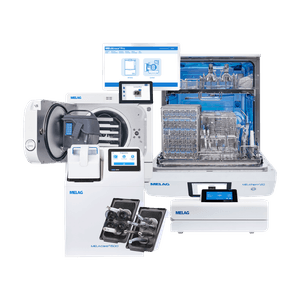
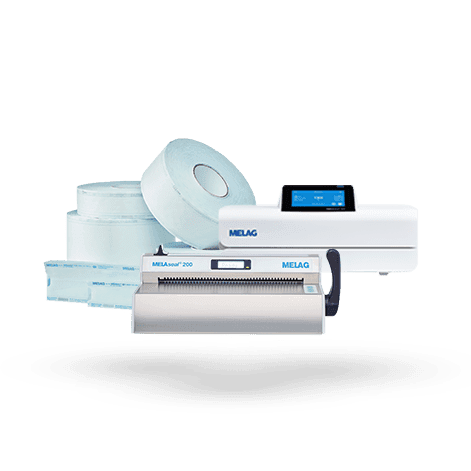
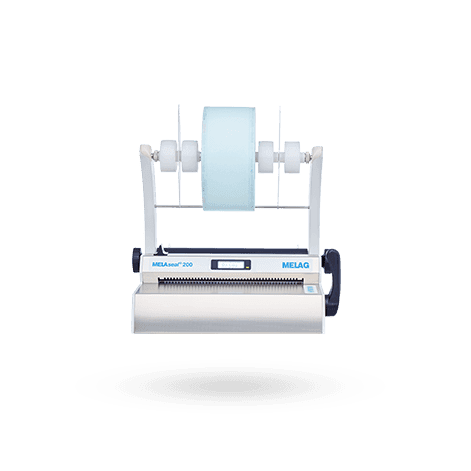
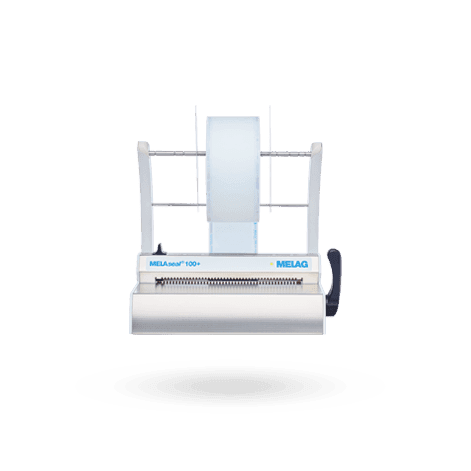
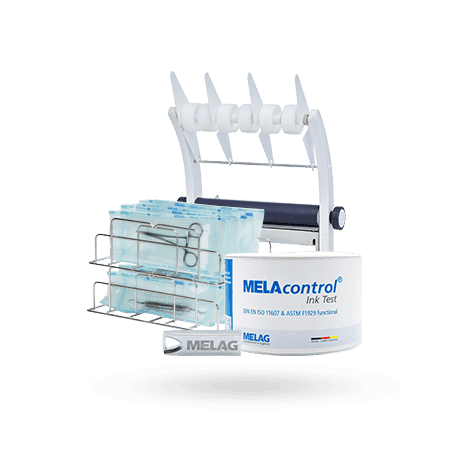
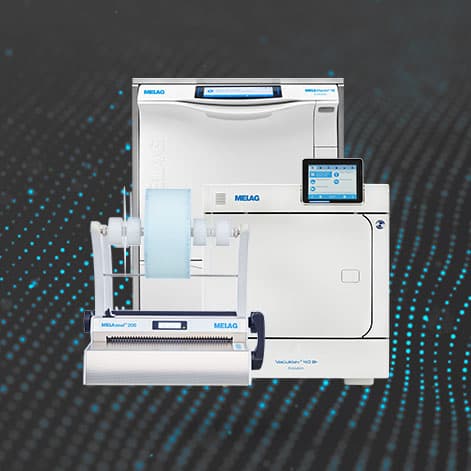
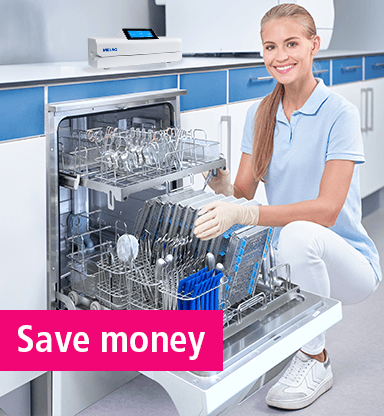
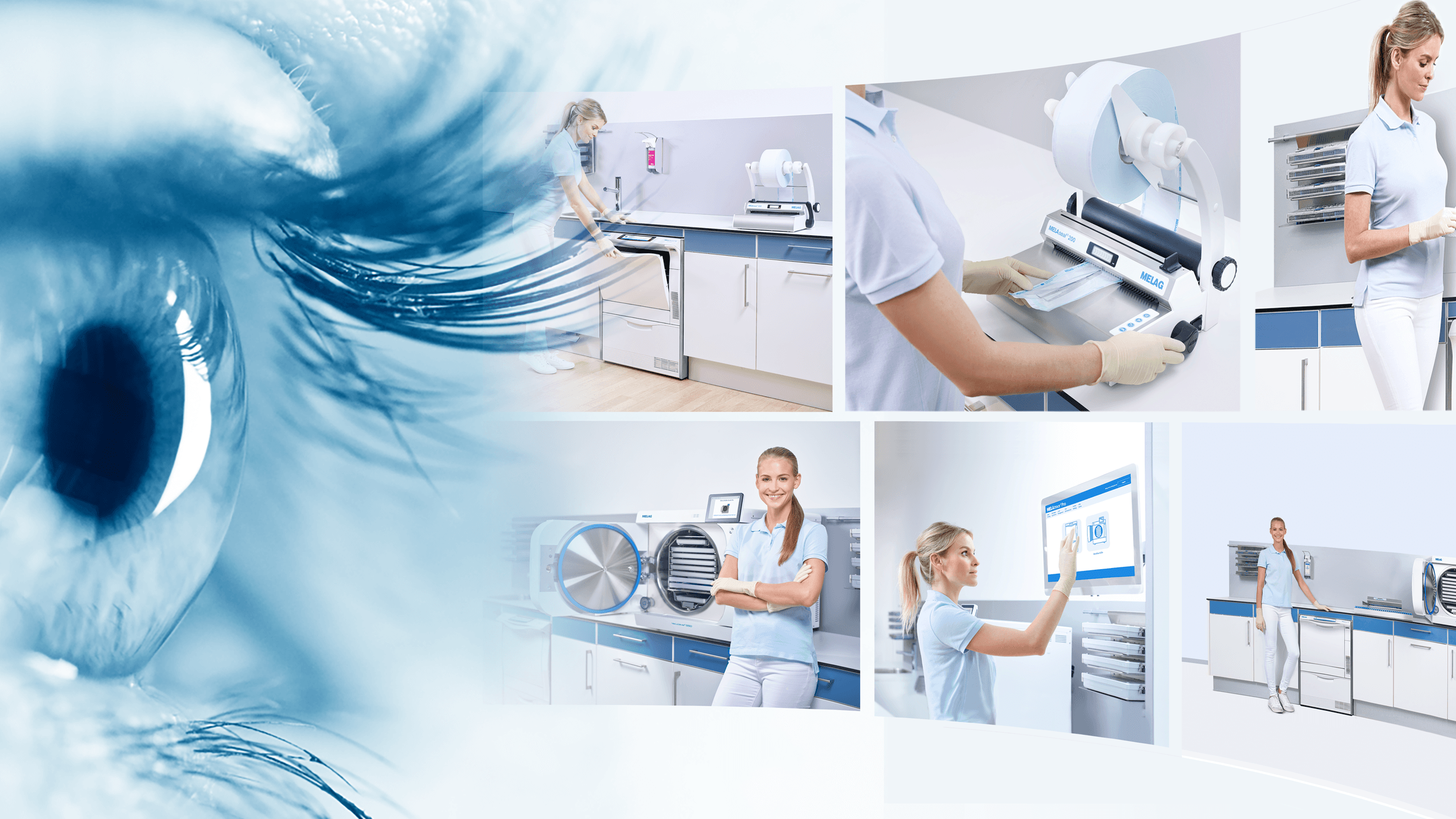
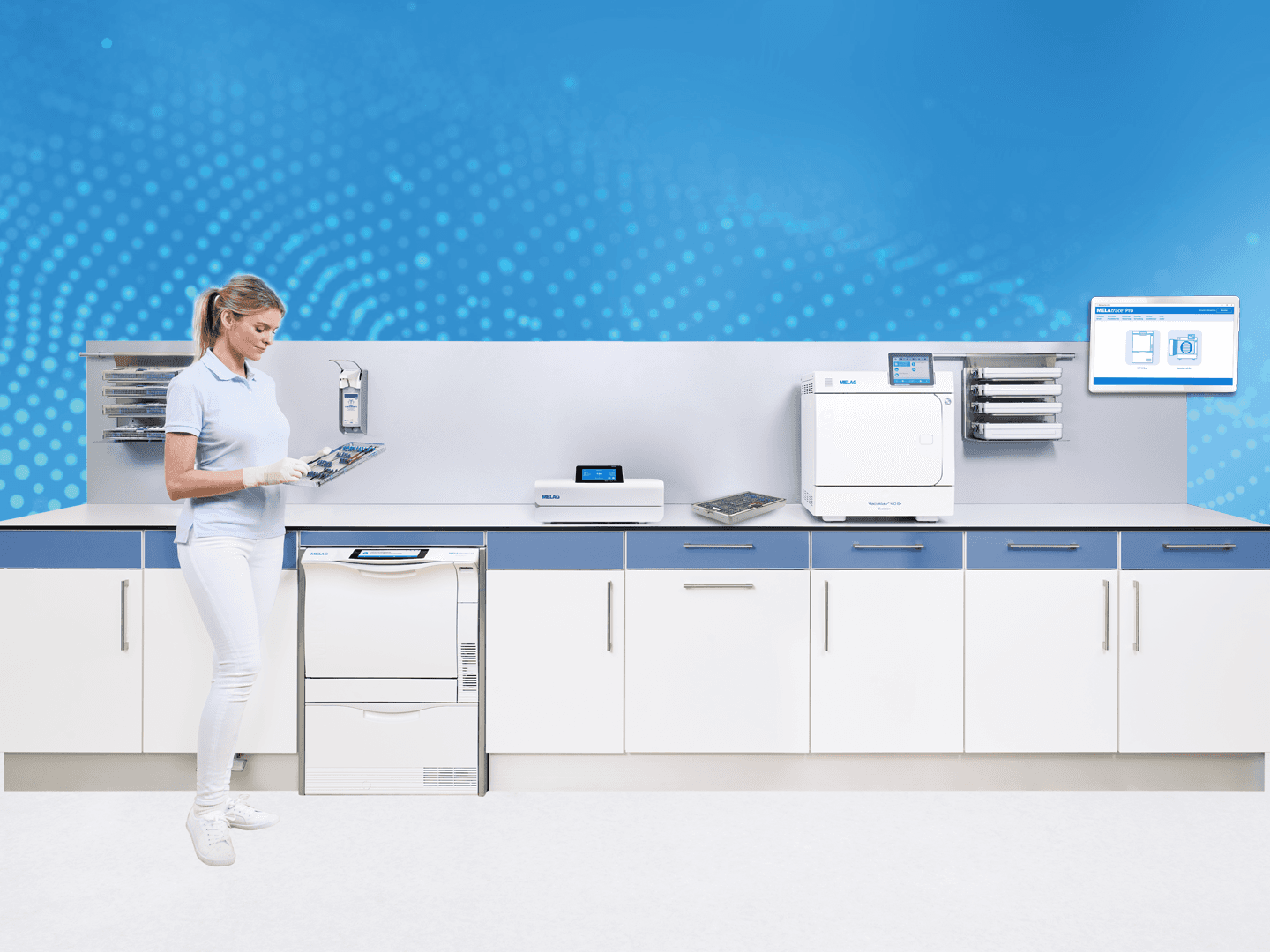
With our coordinated washer-disinfectors, sealing devices, wash tray systems, autoclaves and software solutions, we make your idea of a time, space and cost-saving hygiene workflow in ophthalmology a reality.
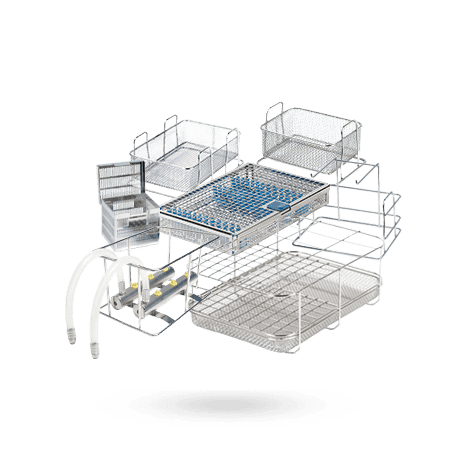
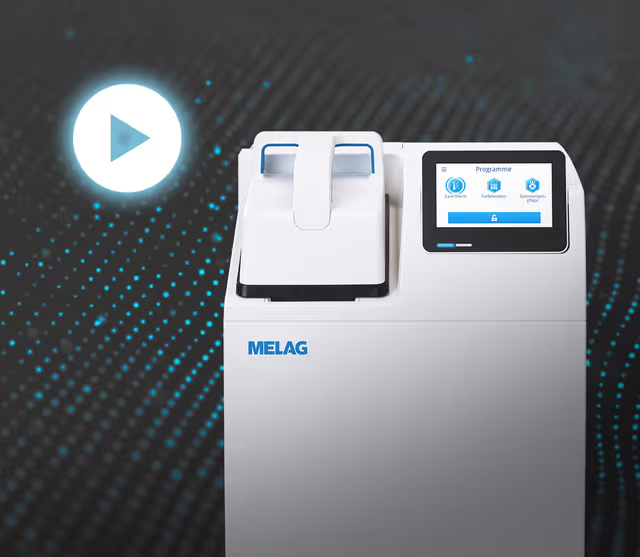
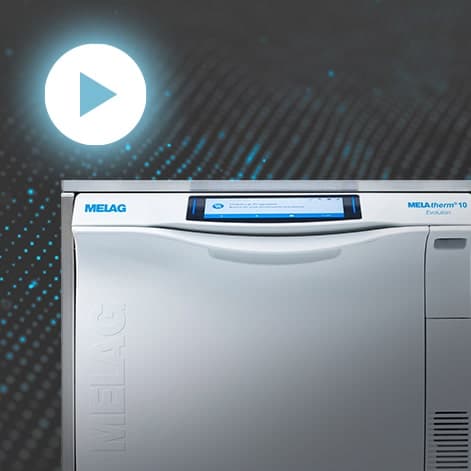
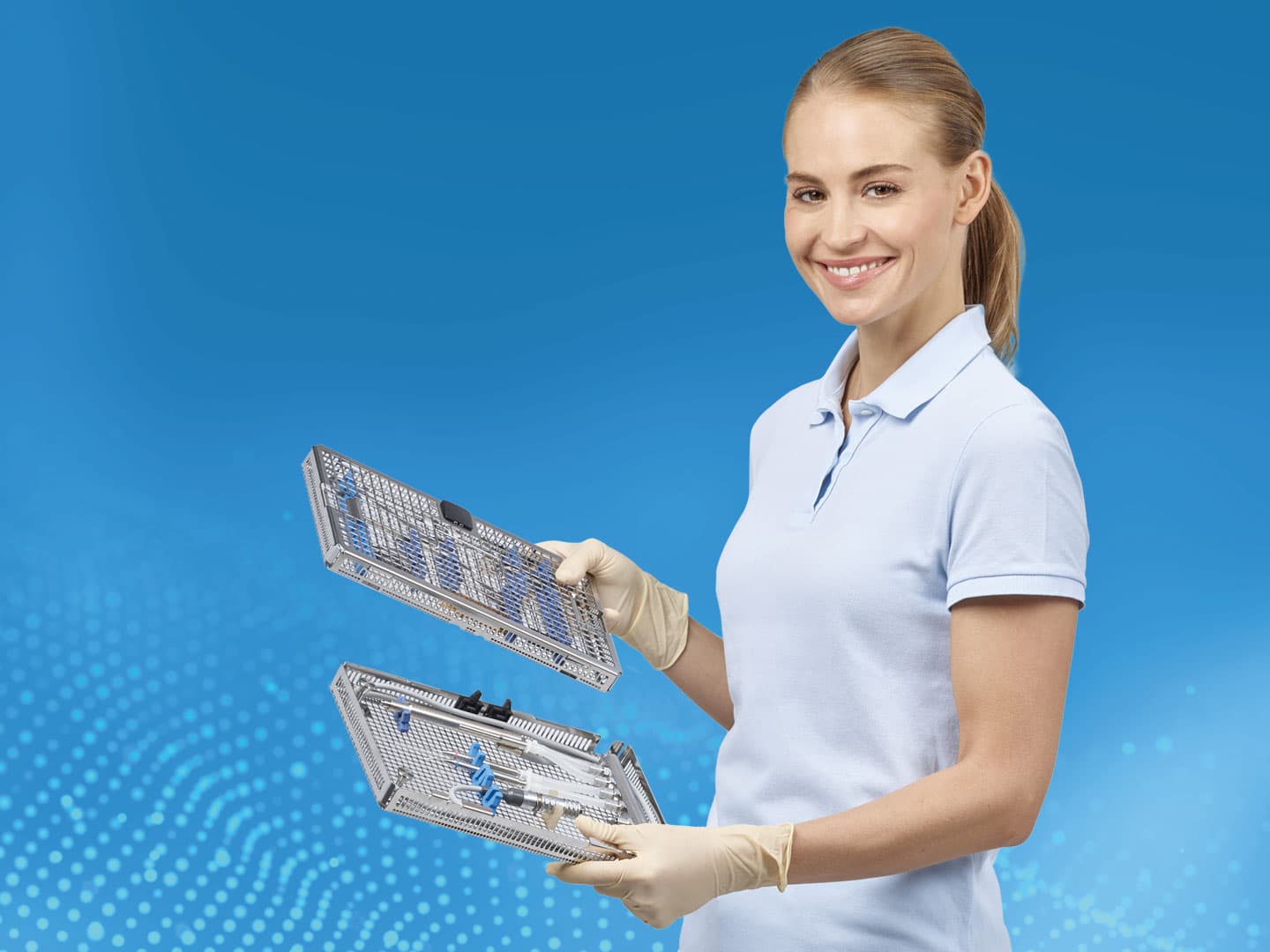
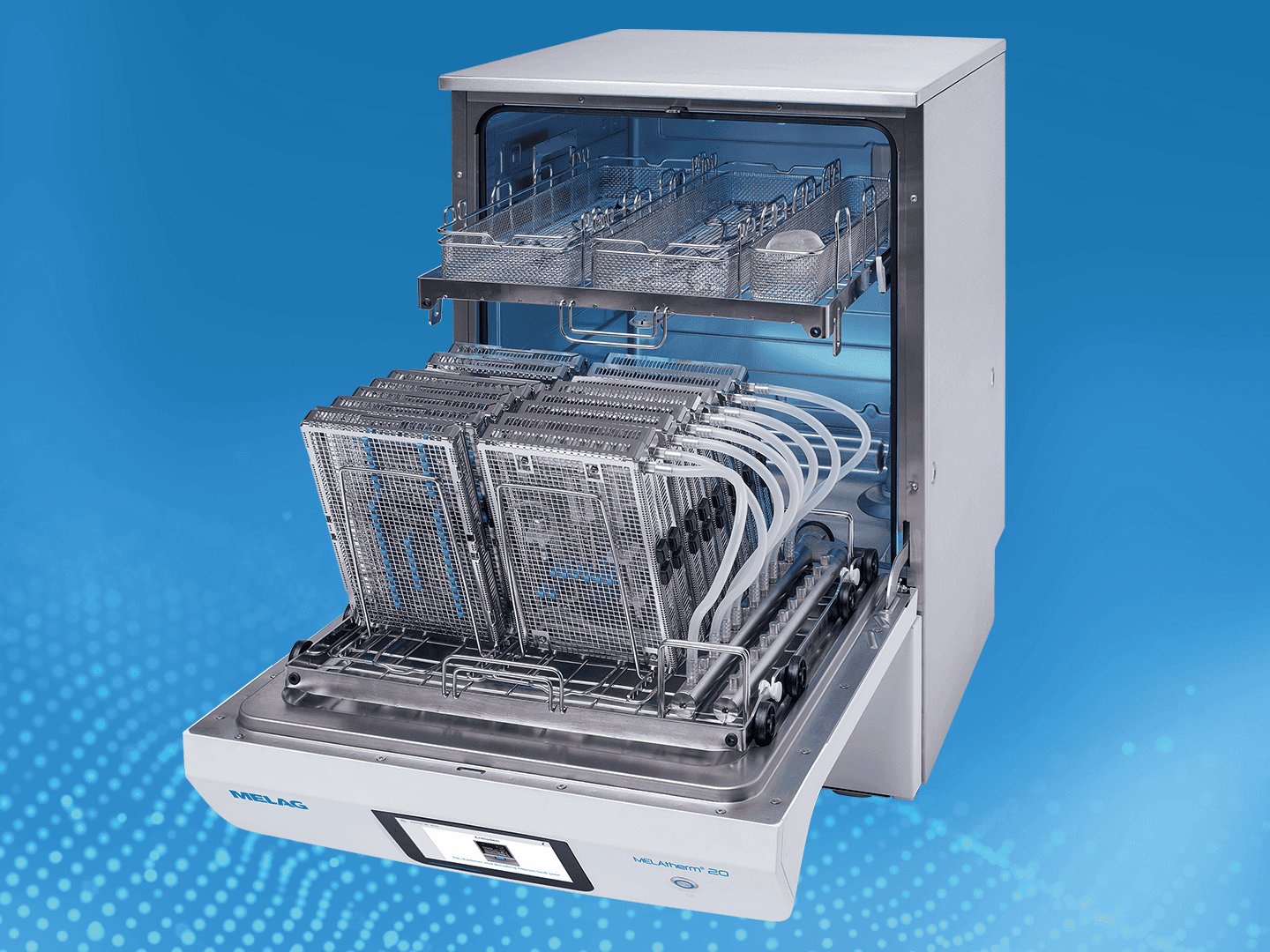
In the highly specialised world of ophthalmology, careful and efficient reprocessing with an equally highly specialised washer-disinfector is essential. MELAtherm is optimised for the special requirements of reprocessing cataract sets. This is because all instruments in the surgical set are inserted into the corresponding holders using the wash trays and adapted with tube extensions for reliable rinsing of the hollow body instruments.
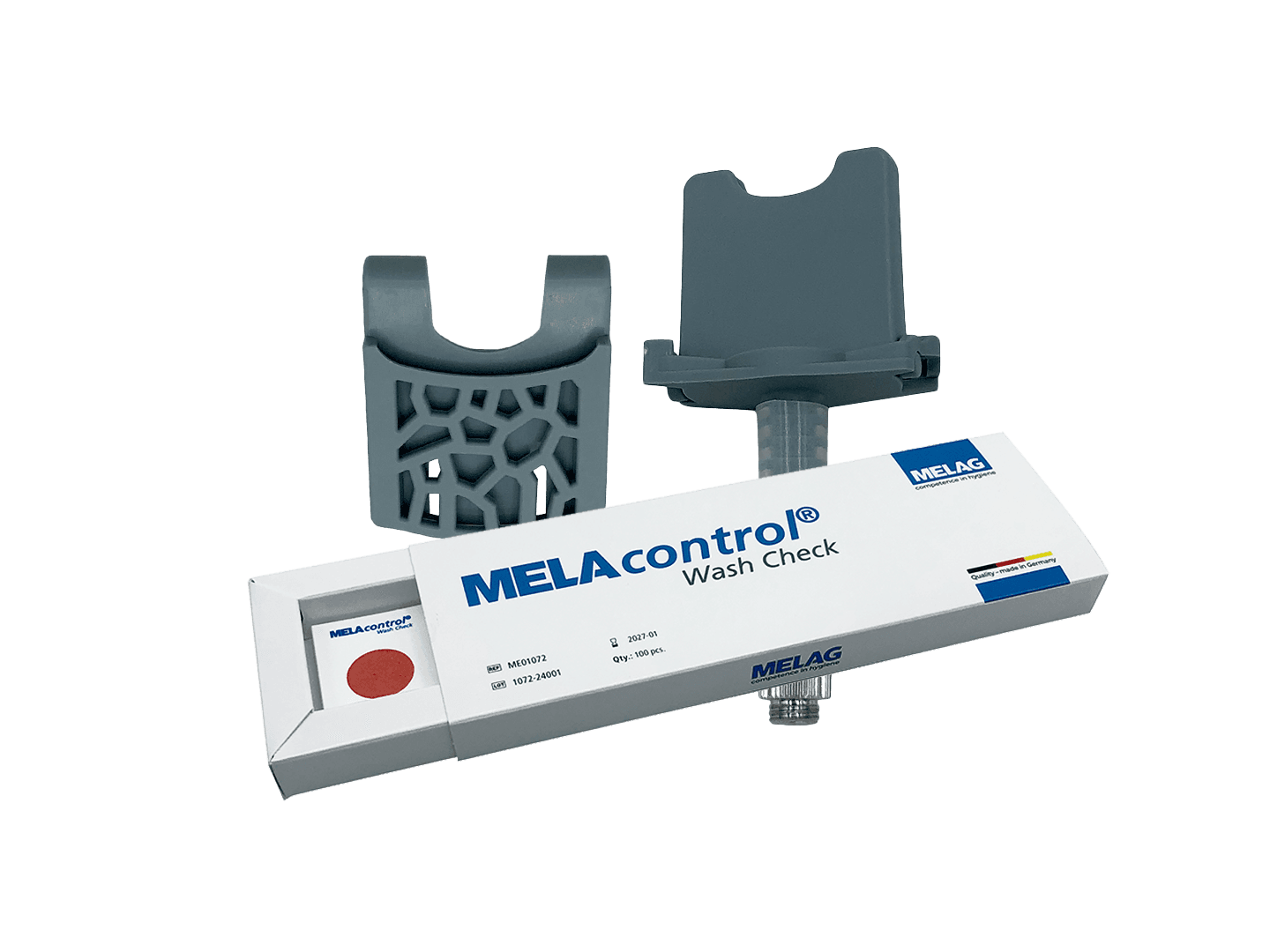
The Ophthalmo programme enables the cleaning and disinfection of up to six cataract sets in the MELAtherm 10 and up to eight cataract sets in the MELAtherm 20 in just 42 minutes (plus drying). To ensure that no process media or other particles remain on the instruments, the final rinse is carried out without the addition of rinse aid and exclusively with demineralised water. After reprocessing in the thermal disinfector, the hollow instruments should be dried with compressed air. The instruments can be blown off directly at the connection point of the injector rail on the MELAstore Tray Ophthalmology. The use of pH indicator paper helps to detect any media carryover in this process step.
A washer-disinfector and the use of correct reprocessing procedures are therefore crucial to ensure the functionality and longevity of fine ophthalmic instruments and to maximise patient safety.
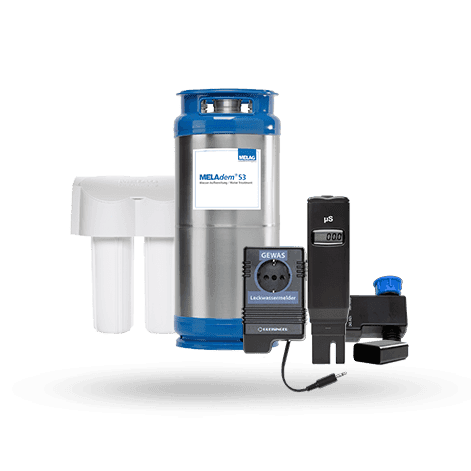
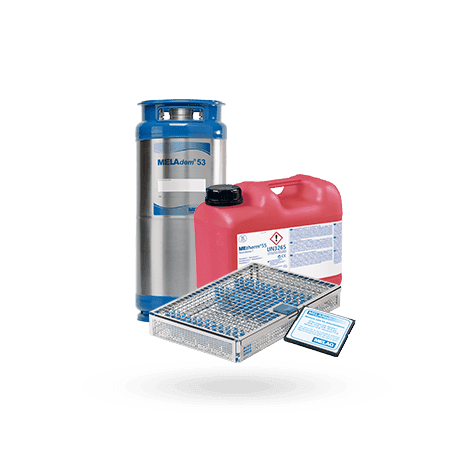
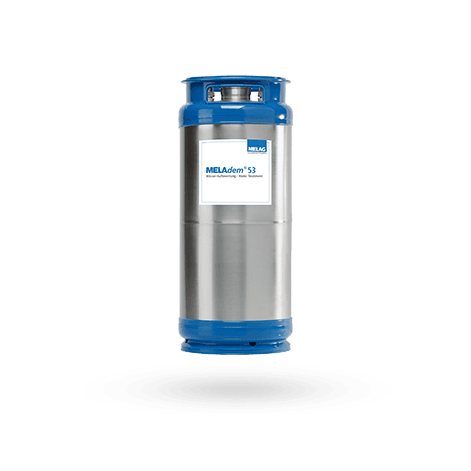
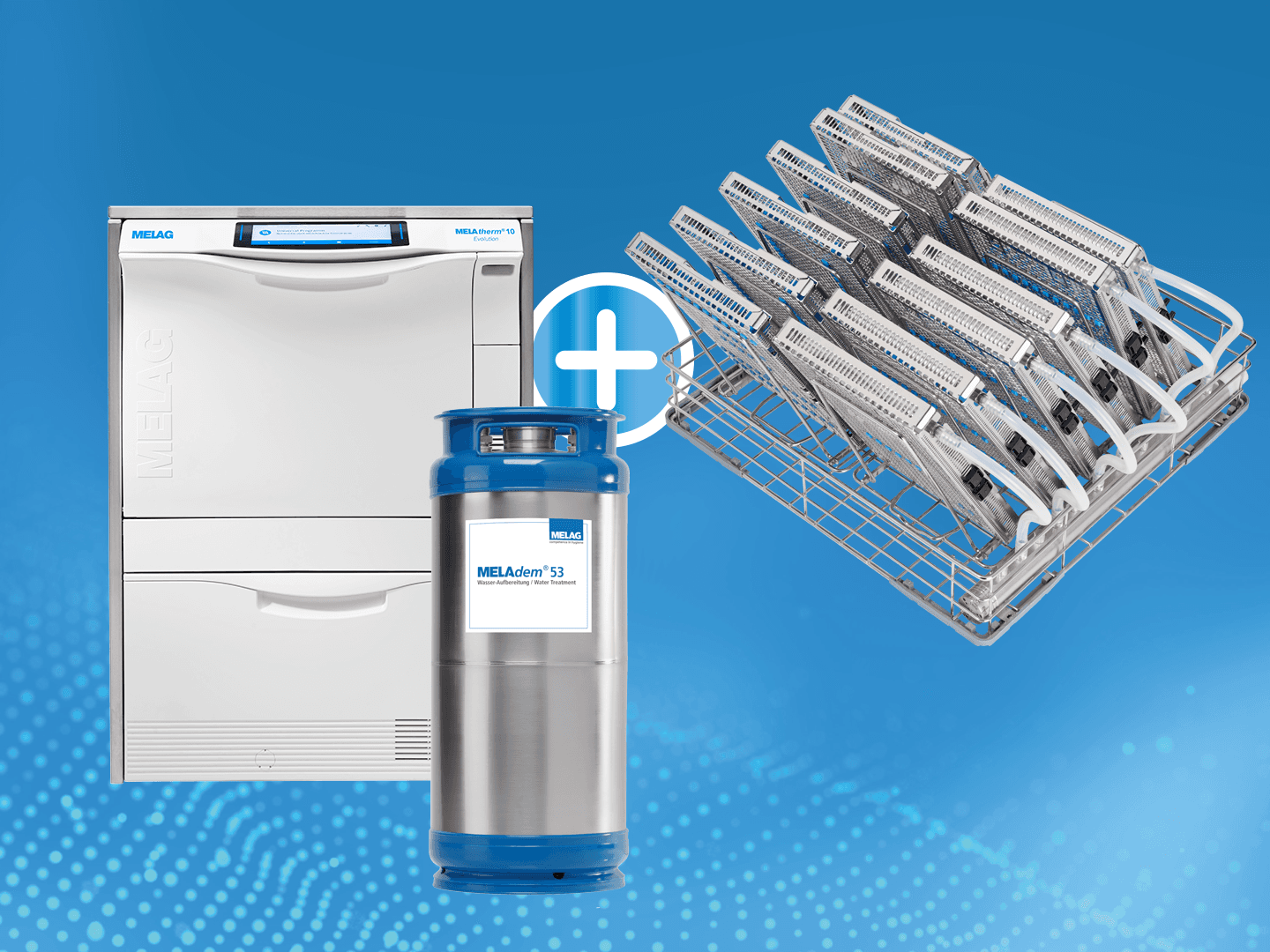
MELAtherm 10 Evolution in combination with MELAdem 53 and the ophthalmology loading pattern not only saves time, but also space. This is because all the important components for documenting, drying and dosing the process media are already integrated in the device at no extra cost.
The new MELAstore tray and container system for ophthalmology
Packaging with a system
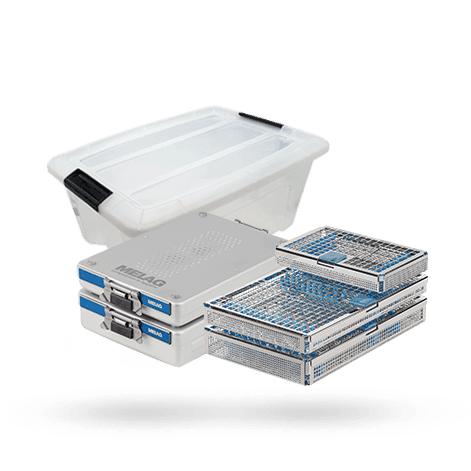
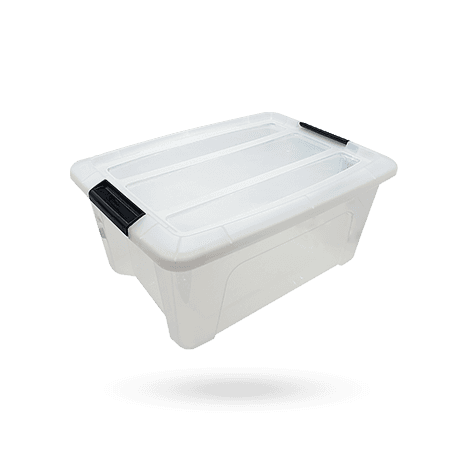
Instrument reprocessing with the coordinated system of MELAstore Tray and MELAstore Box saves a lot of time and money: specially developed for ophthalmological practices and clinics, the MELAstore system enables an optimum instrument workflow from patient treatment to reprocessing and storage.
Save time and money: Packing and handling individual instruments is time-consuming. By safely compiling all the required instruments in a cataract set, you minimise the preparation and reprocessing times of your practice team.
Protect your instruments: The secure fixation with customisable silicone bars not only protects the practice team from puncture injuries, but also your highly sensitive instruments such as phaco needles from damage.
Protect the environment: By using containers, you reduce the use of single-use sterilisation packaging and therefore practice waste and material costs.
Optimise your workflow: Standardise your processes and increase the quality of treatments. With the MELAstore system, you always have everything you need for your cataract operations to hand
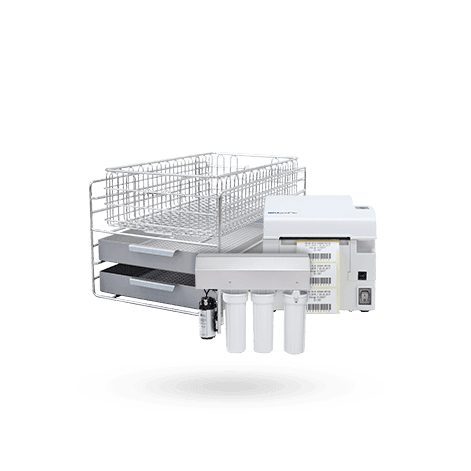
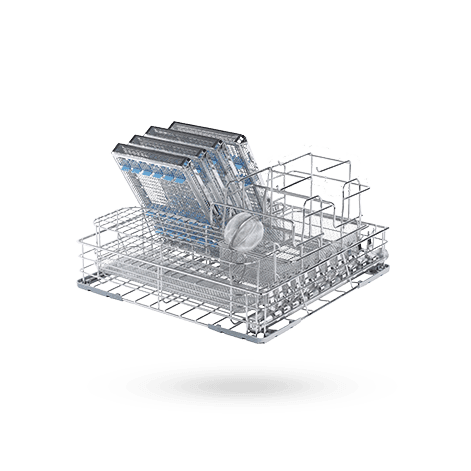
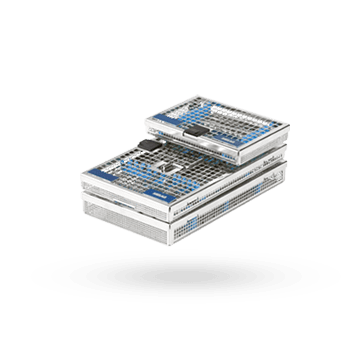
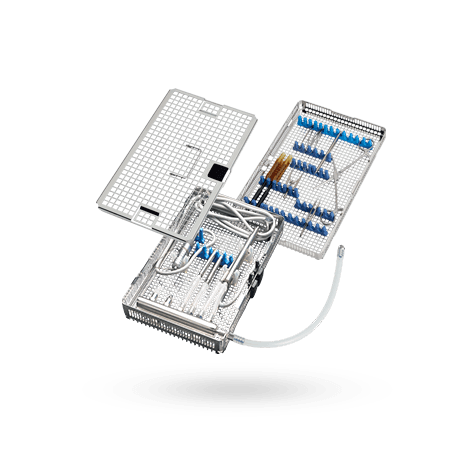
For an optimum hygiene workflow for your complex cataract sets, the MELAstore Tray Ophthalmology consists of an upper and a lower basket: The upper basket of the wash tray with flexibly positionable silicone bars is used to safely hold both rigid and articulated instruments. The lower basket is equipped with an injector rail and versatile connections to ensure reliable cleaning and disinfection of your hollow-body instruments.
Bye bye waiting time. Hello sterilisation in record time.
The MELAG autoclaves for ophthalmology
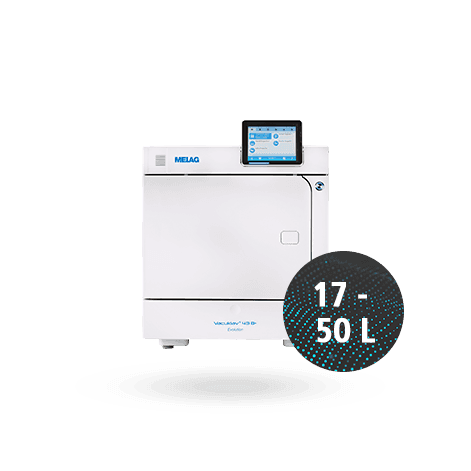
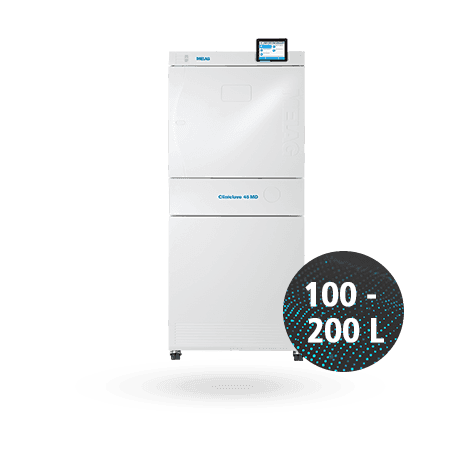
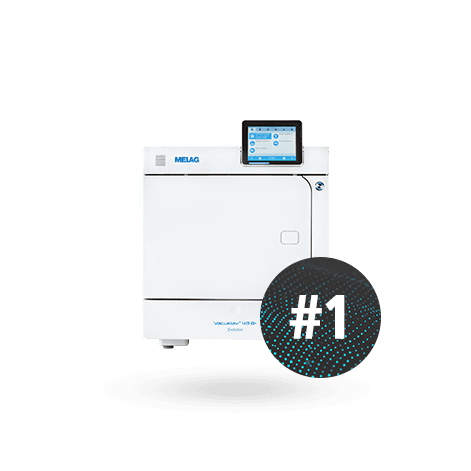
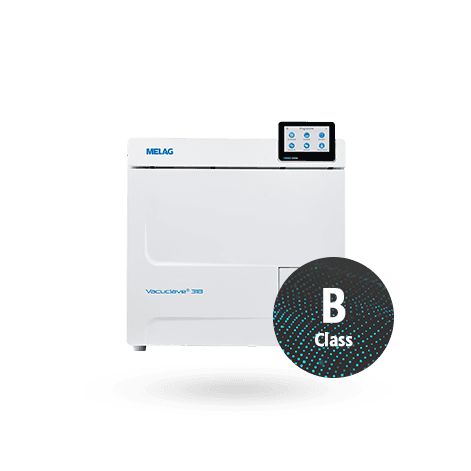
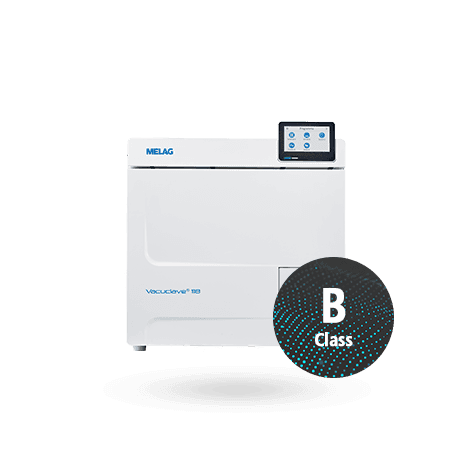
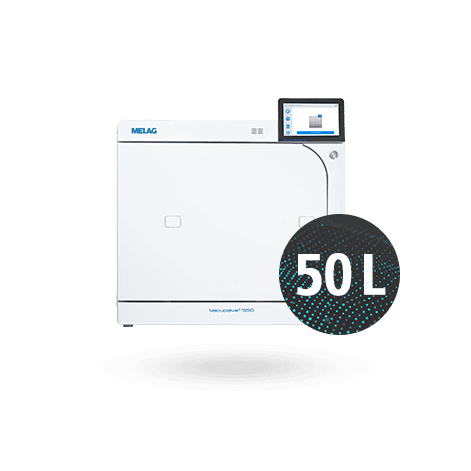
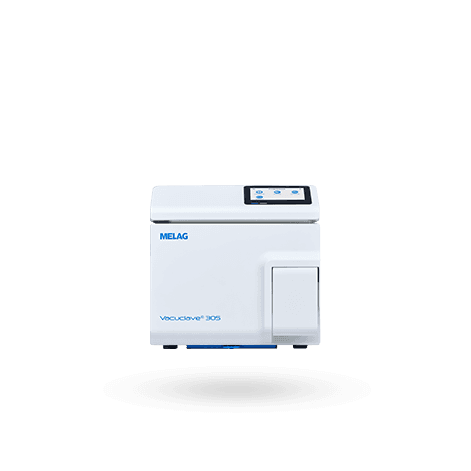
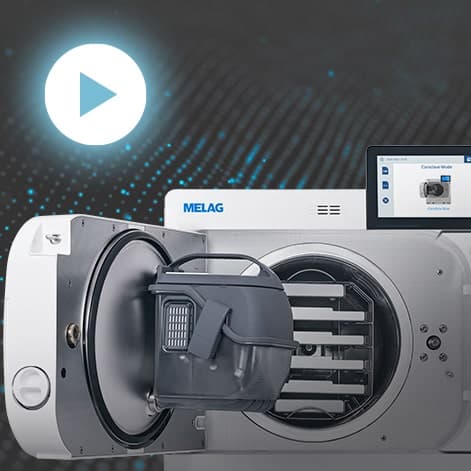
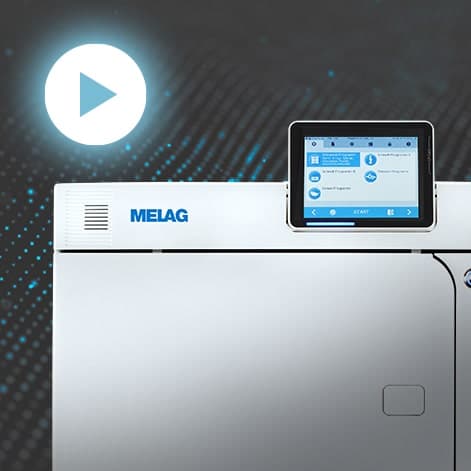
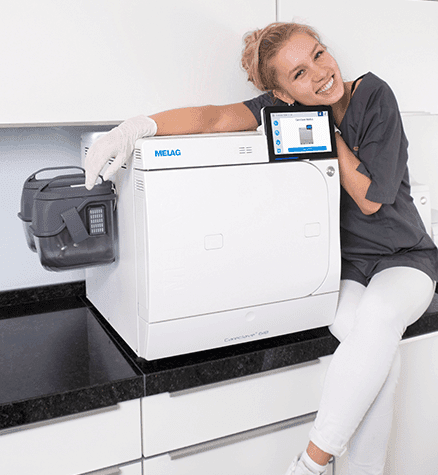
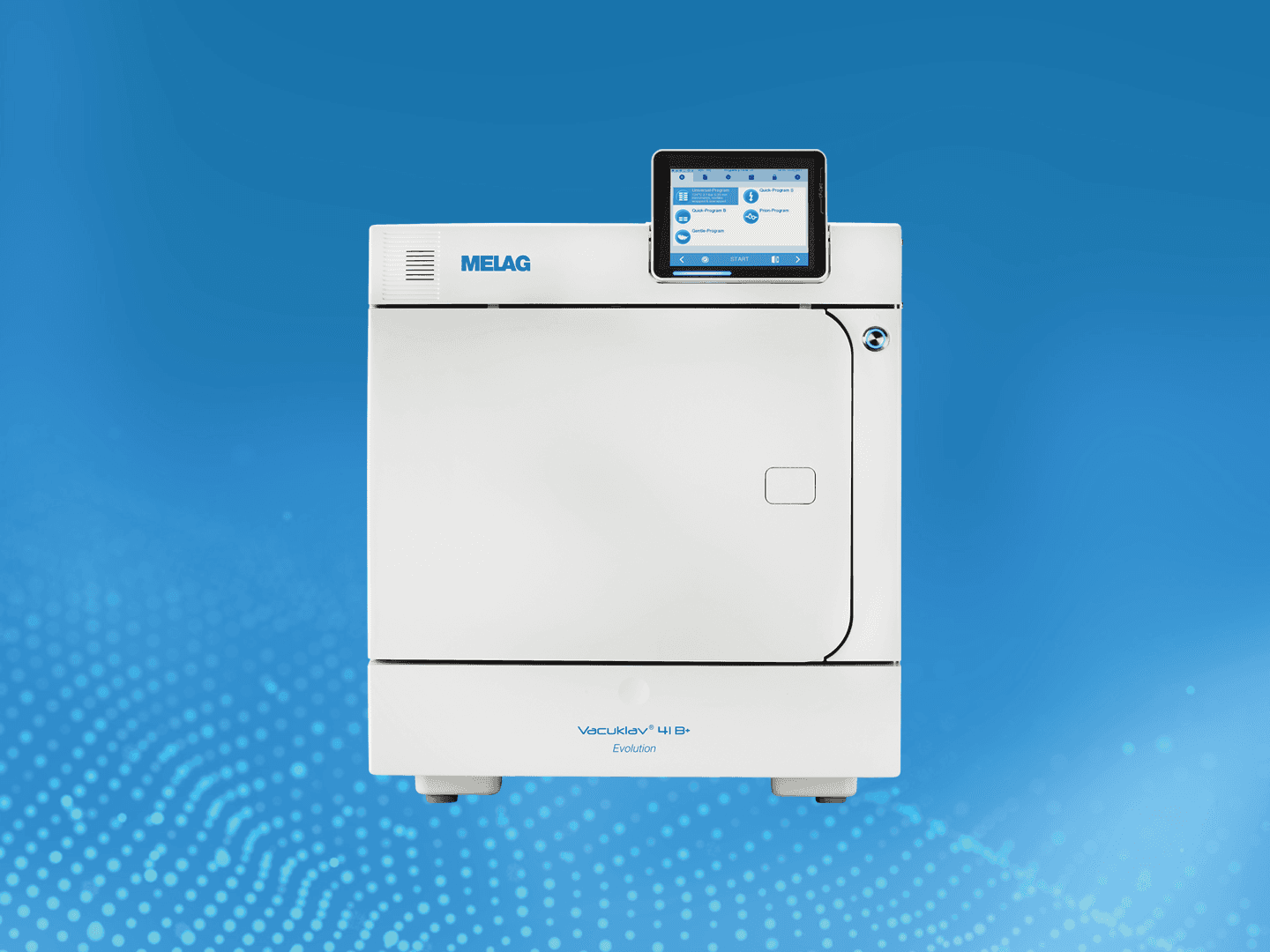
In ophthalmology, the safe and fast sterilisation of microsurgical instruments classified as critical B in cataract sets using a class B autoclave is of crucial importance. The combination of a fractionated vacuum process and record cycle times ensures that the complex hollow bodies are not only reliably sterilised, but are also available for reuse without long waiting times. To achieve this, our autoclaves utilise patented double jacket technology, DRYtelligence intelligent drying and high loading capacities.
According to the RKI recommendation, steam sterilisation should be carried out at 134 °C with a holding time of at least 5 minutes after machine-validated cleaning and disinfection using a cleaning step in an alkaline environment.
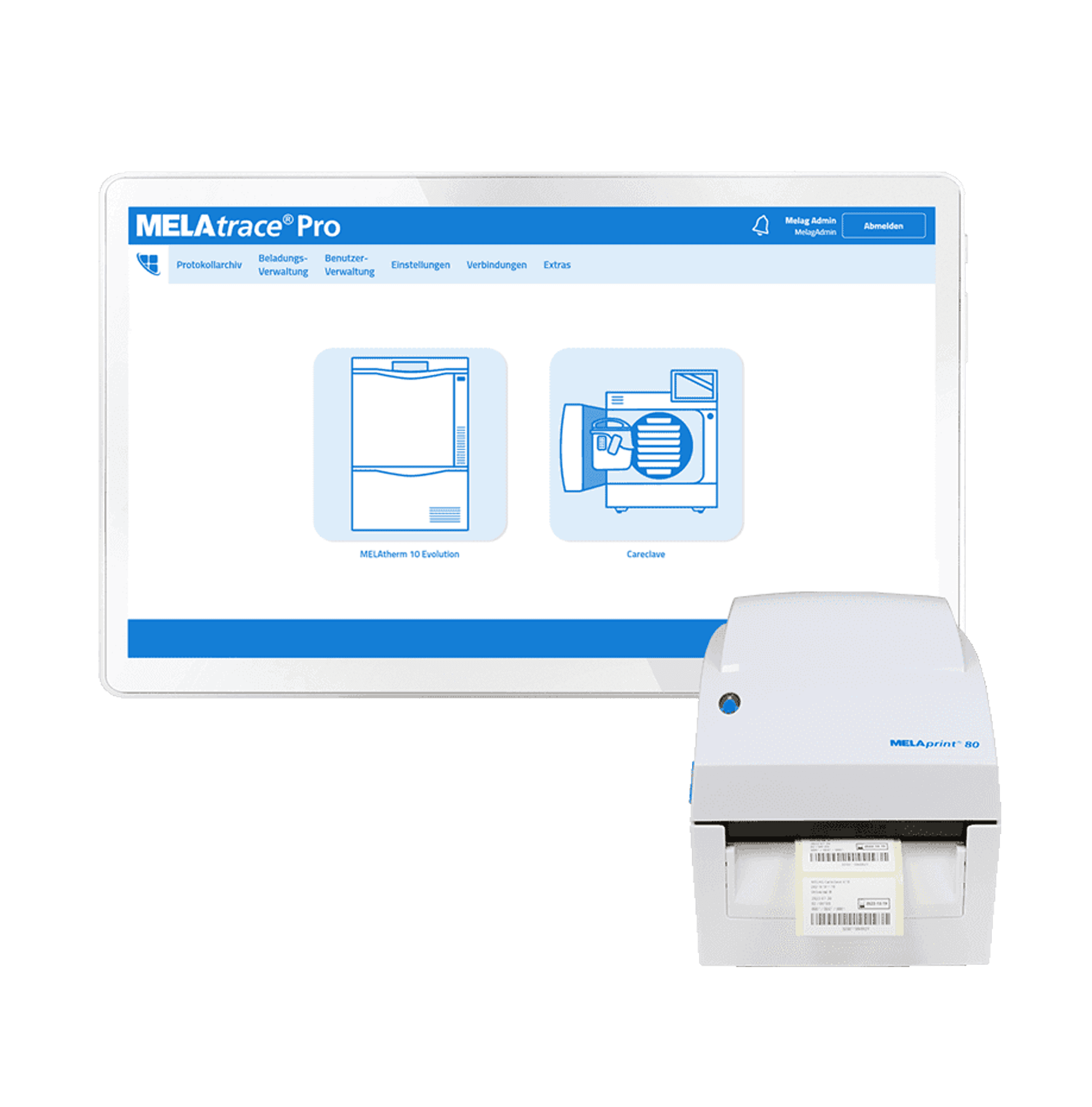
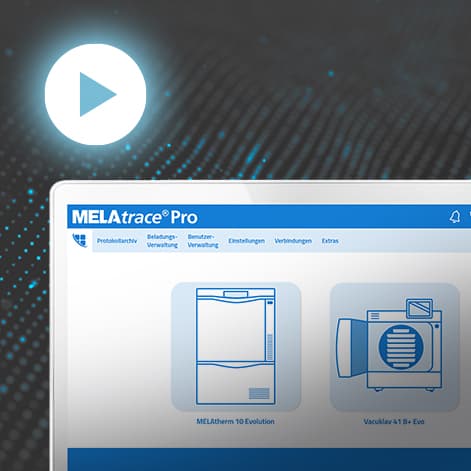
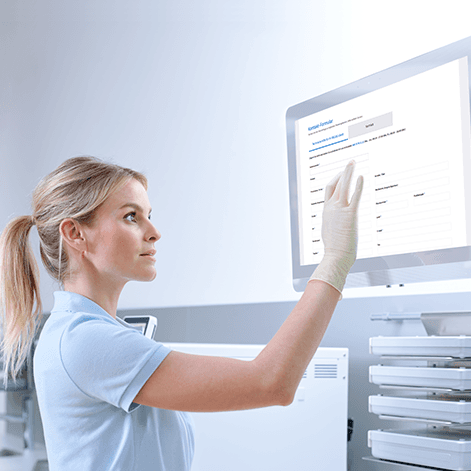
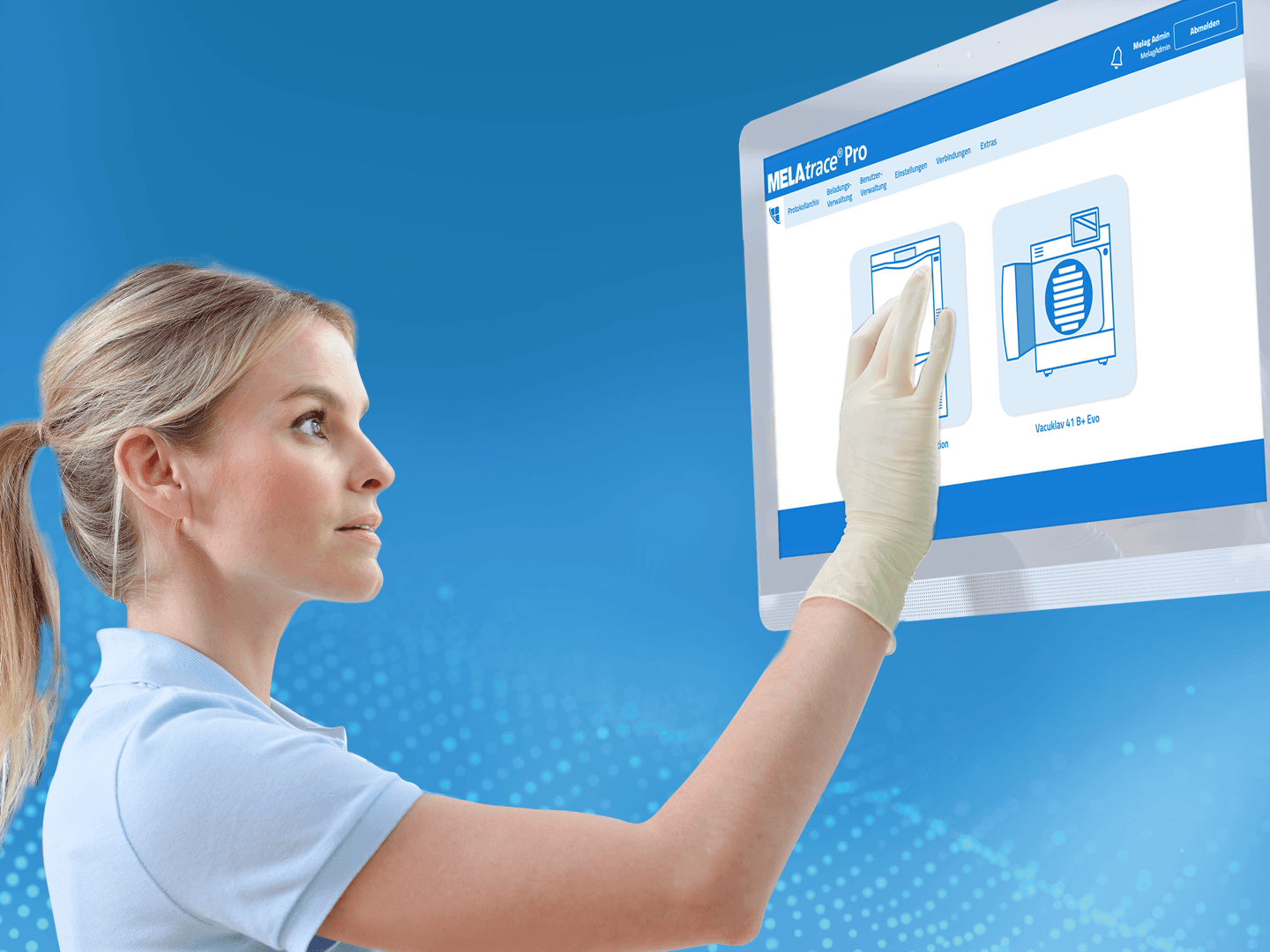
The reprocessing workflow of the cataract set ends with the documented release. With our MELAtrace Pro and MELAtrace software solutions, you are on the safe side legally and fulfil the requirement for seamless documentation quickly, intuitively and paperlessly.
The MELAG software solutions intuitively link the reprocessing steps of cleaning and disinfection, packaging and sterilisation. The batches are released with just a few clicks and the relevant programme logs and release decisions are archived in a tamper-proof reprocessing log as a PDF file.
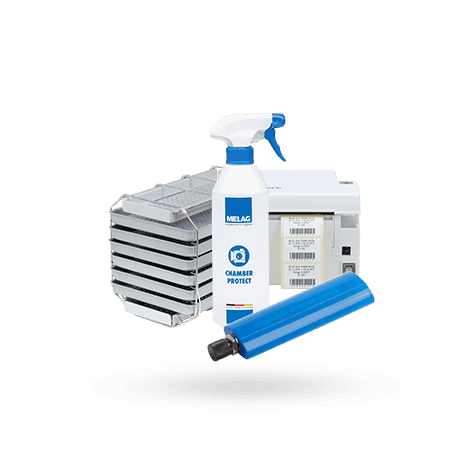
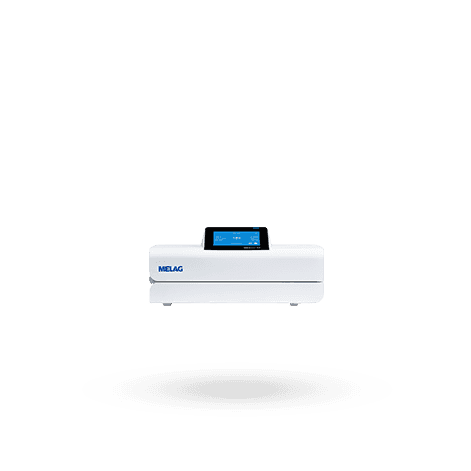
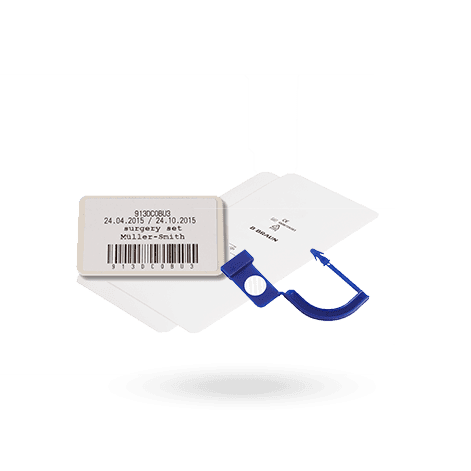
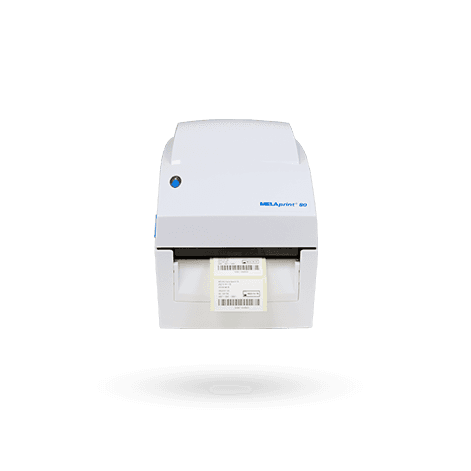
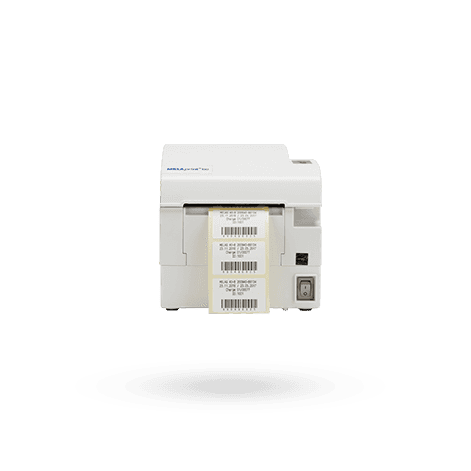
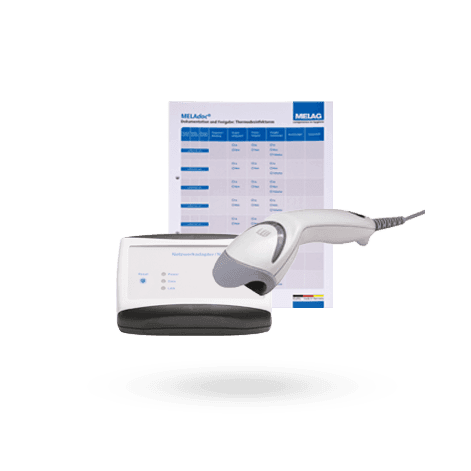
Finally, MELAprint 80 can be used to print out barcode labels for labelling the cataract set. The double-sided adhesive labels are used to link the batch information with the patient data after the operation. This provides you with complete proof of error-free instrument reprocessing in your ophthalmological practice and clinic.