To play this video, please allow cookies and other external services from YouTube.
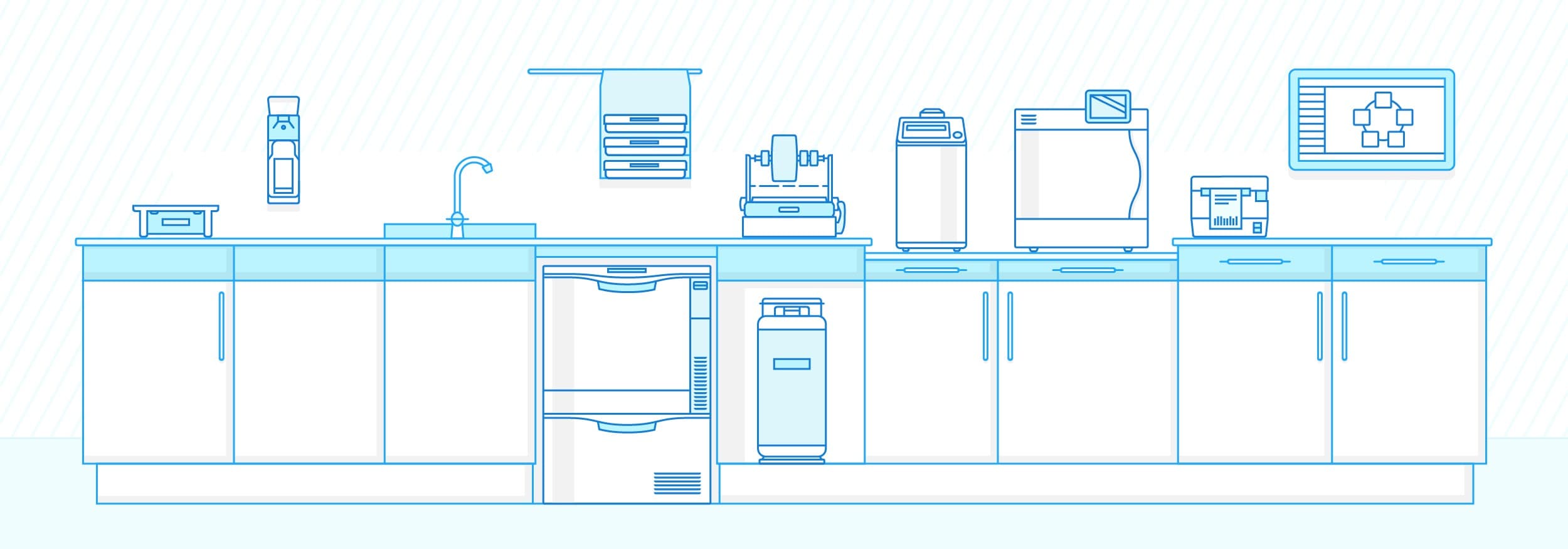
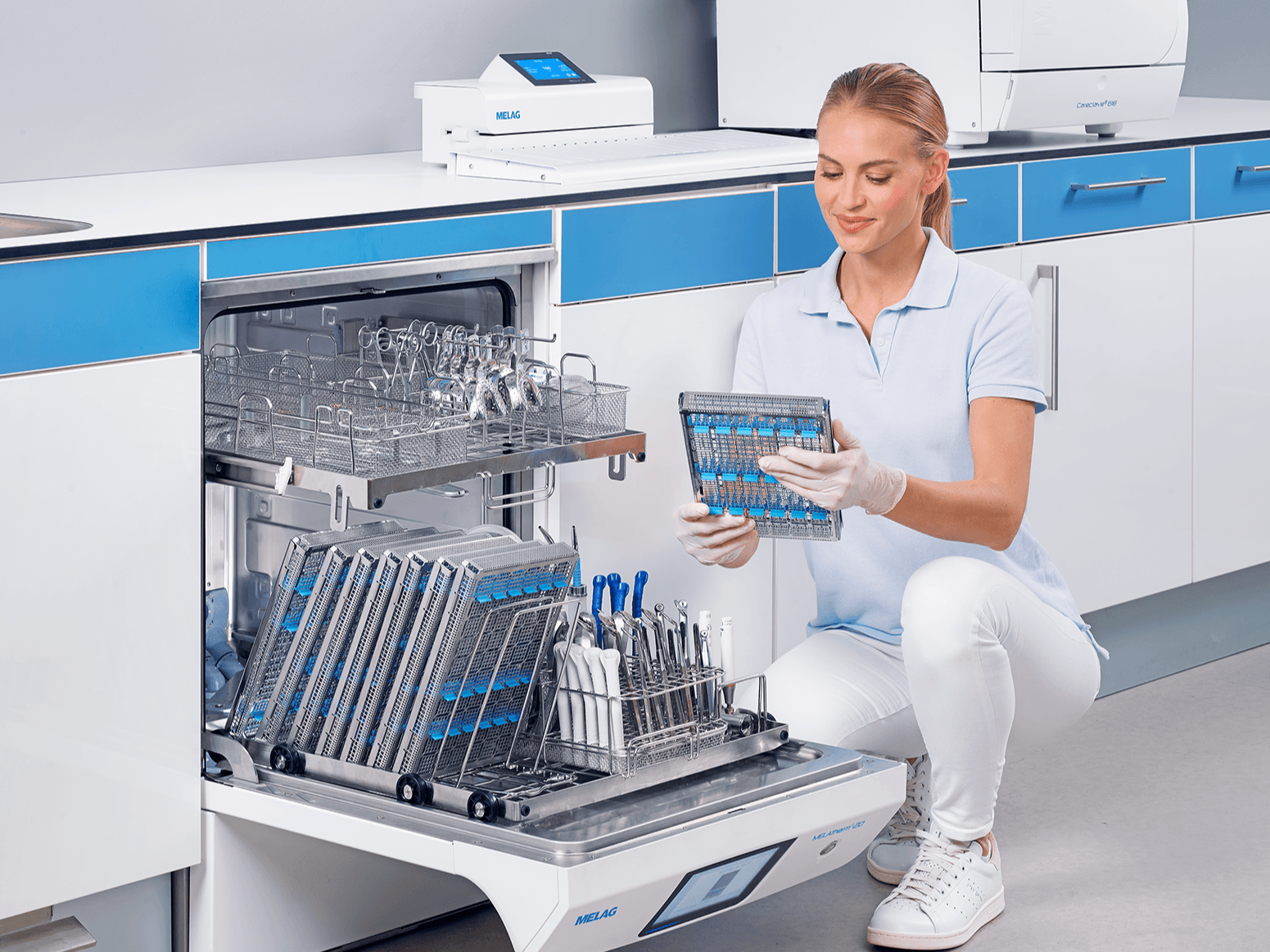
International hygiene guidelines recommend that instruments should bereprocessed using aligned procedures. As such, a washer-disinfector must be capable of cleaning, disinfecting and drying instruments in a way that the subsequent packaging and sterilization do not cause any damage e.g. through corrosion.
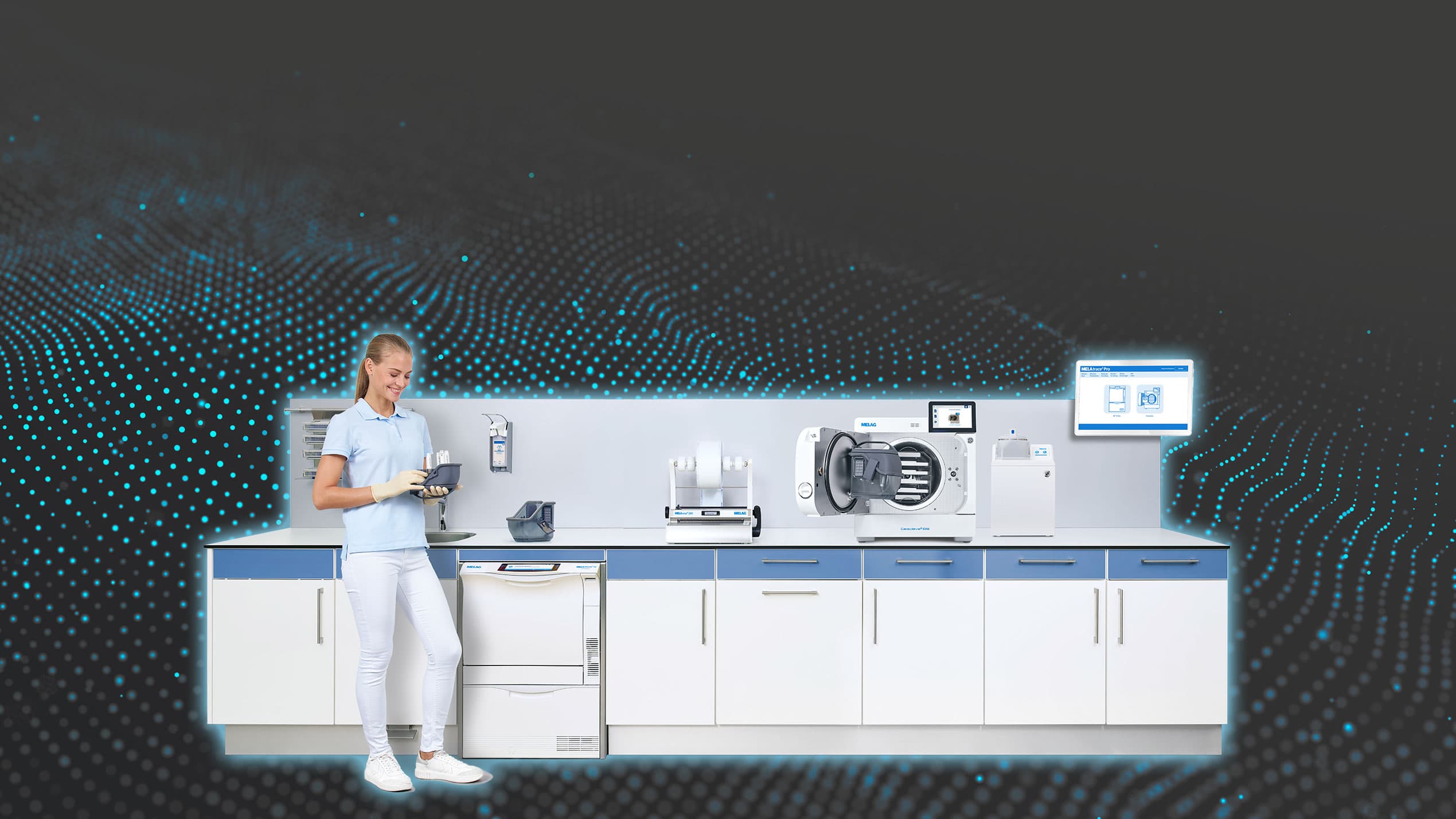
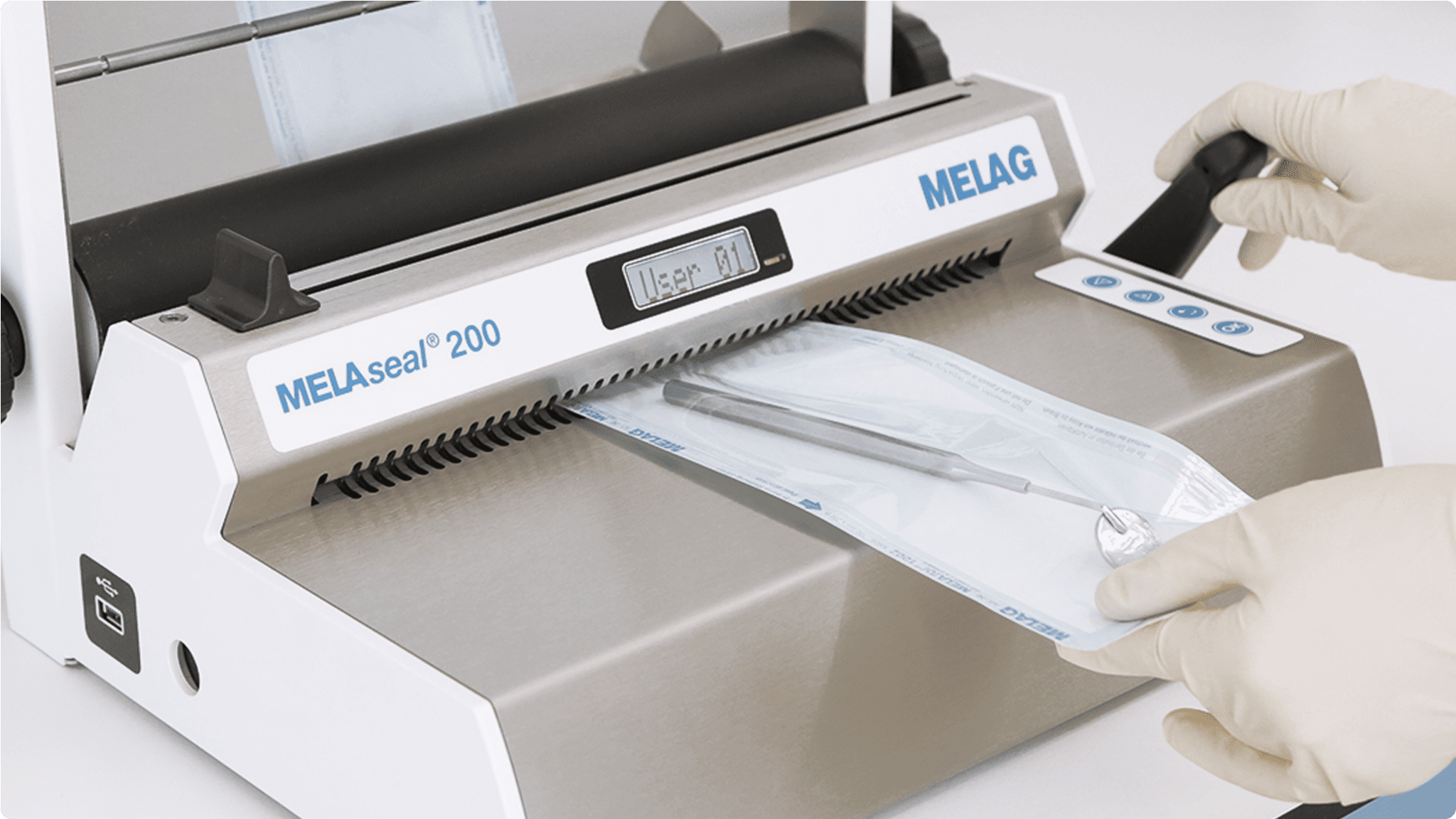
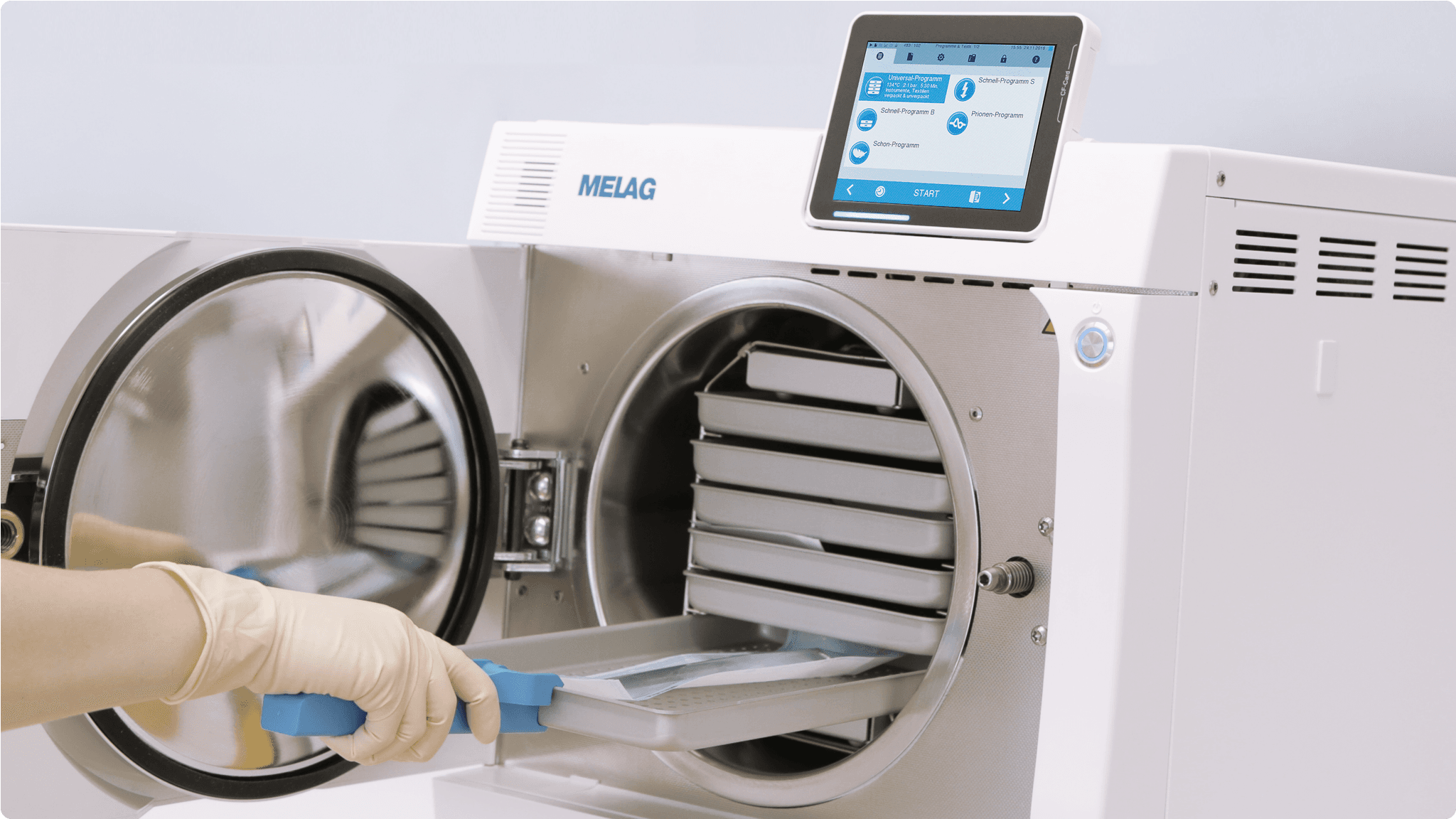
One of the advantages of the innovative MELAG system solution for instrument decontamination includes the maintenance and service cost saving. Purchasing a steam sterilizer, washer-disinfector, sealing device and water treatment unit from the same manufacturer means that a practice and clinic can ensure the alignment of the various procedures. Using the services of MELAG-trained partners, the system guarantees synchronization of the maintenance cycles.
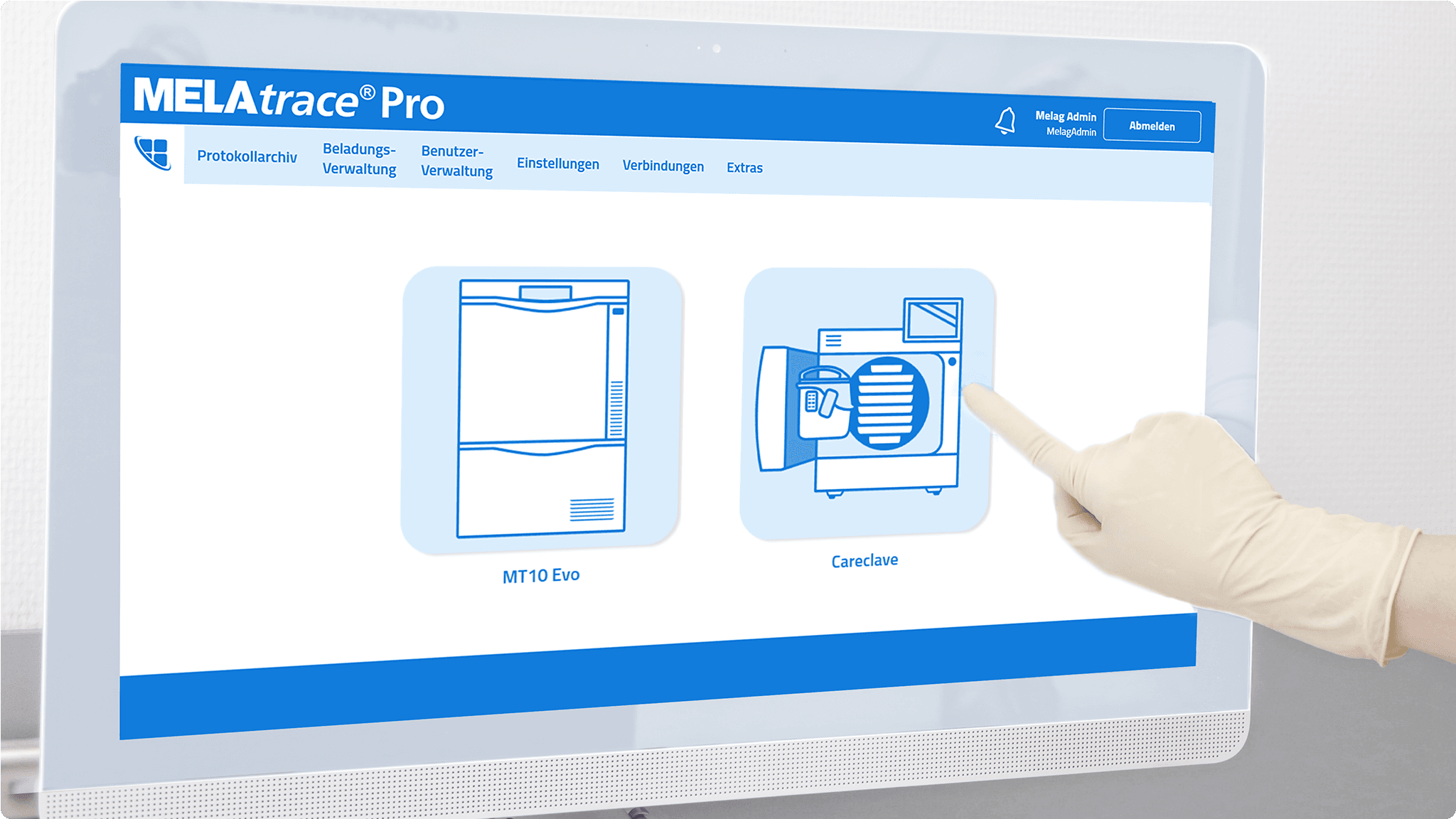
A further advantage of the system solution results from the use of the documentation and approval software MELAtrace. In contrast to the majority of other software products, you will not require additional separate licenses for each product. Reliable documentation of the complete instrument reprocessing cycle is possible with a single, affordable software without annual license costs.
Disinfection and sterilization are important aspects of the instrument reprocessing procedure: These processes perform a different degree of microorganism destruction.
Whilst disinfection reduces the number of microorganisms by a factor of 100.000, sterilization achieves a factor of 1.000.000.
Disinfection is also classified as the irreversible deactivation of all contagious pathogens (fungi, bacteria and viruses). Instrument sterilization is required to kill off the resistant dormant bodies of pathogens such as spores. Sterilization results in the destruction of all microorganisms that are capable of reproduction and leads to a complete absence of germs.
Although wash tray systems have only been taken up by large-scale medical and dental practices with a high rate of instrument usage. Small and medium-sized practices and clinics could also benefit from a wash tray system.
Collecting the instruments in a wash tray saves a number of work steps. In comparison to the time-consuming action of placing individual instruments in washer-disinfector baskets, the wash tray can be inserted in the appropriate mount and removed after cleaning, disinfection and drying in only one step.
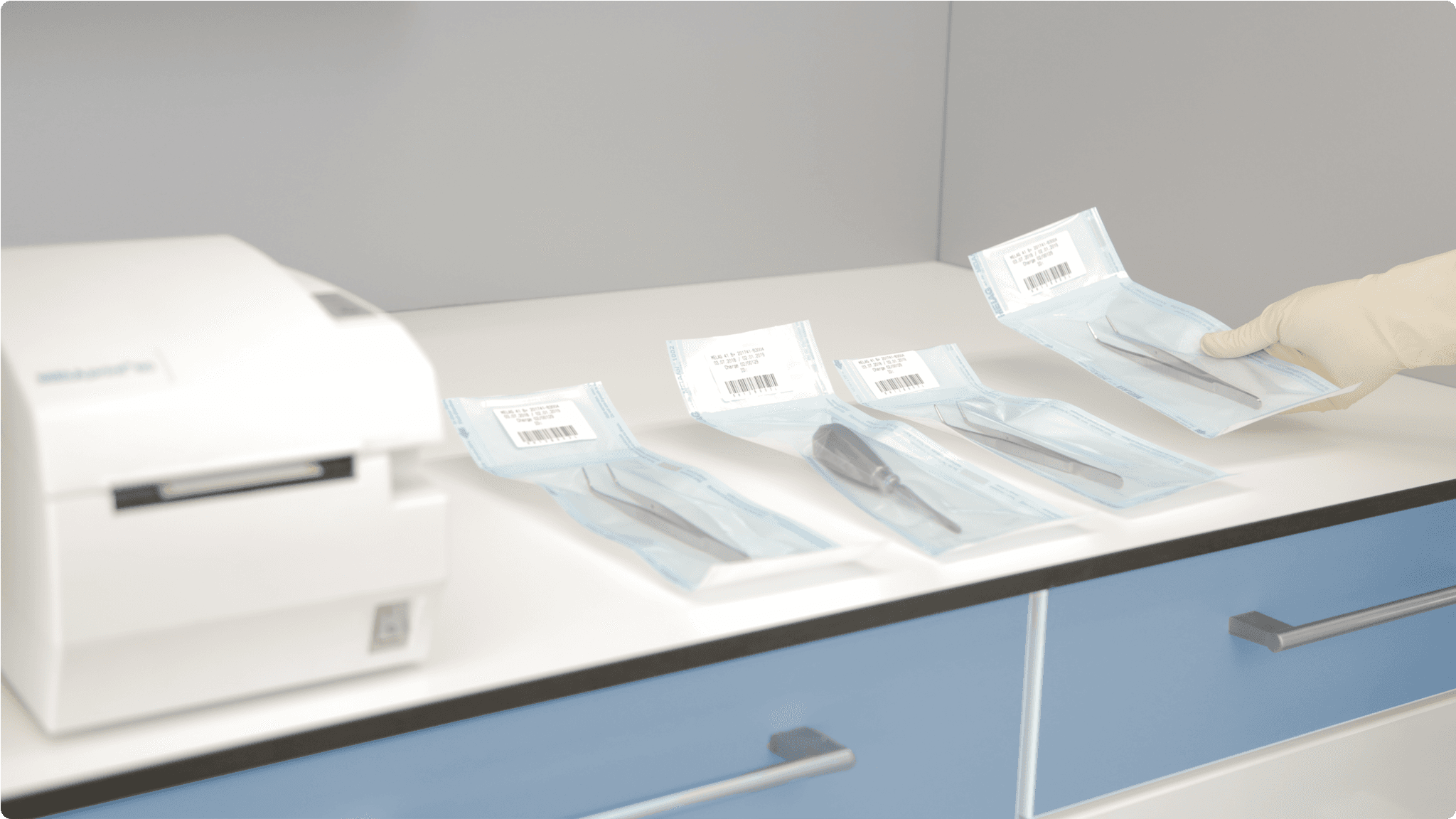
Nevertheless, the greatest saving of time and money is achieved in the packaging process. Instrument sets in wash trays can be wrapped and quickly prepared for sterilization and storage by using a sterilization container such as MELAstore-Box. The container is marked with a barcode label after sterilization.
The decontamination of 36 instruments in three wash trays and sterilization containers saves up to 24 minutes per batch in comparison to the individual decontamination of the same quantity of instruments. See for yourself: The video “Individual Instruments vs. MELAstore” on
the MELAG Multimedia Channel summarizes the advantages of using our MELAstore system.
The decontamination of standardized instrument sets results in considerable improvement in the quality management of a clinic. The wash tray system reduces the large quantity of practice waste, protects the instruments against damage and prevents injuries to the practice team.
The MELAstore system provides a combination of wash trays (MELAstore-Tray) and sterilization containers (MELAstore-Box) which offer all the above advantages. Saving money and time produces short amortization times. A special advantage of the simultaneous use of
MELAtherm 10 and its insert baskets: developed for use with the MELAstore system, the insert baskets enable especially sustainable operation and excellent cleaning results.
The proper risk assessment and classification of medical devices is a fixed prerequisite for instrument reprocessing in compliance with the standards. The medical device operator is responsible for the correct classification of the instruments. Please classify each medical device in your practice and clinic into one of the following classes. If you are unsure about the classification of the instruments, the medical device should be assigned to the next higher risk level.
Pre-classification as the first step of risk assessment is based on the field of application of the instrumentation. Medical devices in medical and dental practices are classified into non-critical, semi-critical and critical instruments. The classes can be distinguished from each other as follows:
Non-critical instruments come into contact exclusively with intact skin (e.g. rubber dam perforating forceps).
Semi-critical instruments are medical devices that come into contact with mucous membrane or pathologically altered skin (e.g. mouth mirrors).
Critical instruments are medical devices that penetrate skin or mucosa. Through invasive/surgical use, the instruments come into contact with blood, organs, internal tissues and wounds (e.g. suture scissors).
In the second step, classification is based on the instrument design. Design and material details can lead to special requirements for instrument reprocessing.
Critical and semi-critical medical devices are classified into group A or group B. No special requirements need to be observed in the reprocessing process for group A medical devices. Group B instruments place increased demands on the reprocessing process, because these instruments have hollow bodies, rough surfaces or hard-to-reach areas.
Critical medical devices include a third group. Group Critical C instruments must meet very high requirements in the reprocessing process. These are thermolabile instruments that cannot be sterilized with steam. An example of this instrument class is the flexible endoscope used in medical practices.
Instrument reprocessing and the final release are associated with a great deal of responsibility in the practice. During documentation and release, care must therefore be taken to ensure that the responsible practice employees fulfill the "requirements for expertise" based on their position and qualifications.
In the announcement "Hygiene requirements for the reprocessing of medical devices" (2012) of the Robert Koch Institute, all important information on instrument reprocessing is summarized in Annex 6 "Expertise of personnel". The Robert Koch Institute specifies the following contents under the requirements - for personnel entrusted with reprocessing - which reflect expertise:
Instrument knowledge specific to the specialist group
Knowledge of hygiene/microbiology (including transmission paths)
Risk assessment and classification of medical devices according to the recommendation of the Commission for Hospital Hygiene and Infection Prevention at the Robert Koch Institute (RKI) and the Federal Institute for Drugs and Medical Devices (BfArM) on the "Requirements for Hygiene in the Reprocessing of Medical Devices
Process steps of instrument reprocessing
Spatial and organizational aspects of reprocessing
Preparation of process and work instructions for reprocessing
Legal knowledge (MPG, MPBetreibV, BioStoffV)
Expertise is presumed if you have completed training in a medical profession with the relevant content (anchored in the framework curriculum). If the contents listed above have not been taught in full or are not up to date, these qualifications must be supplemented by further training events.


